1
Understand what’s restricted
1
Understand what’s restricted
Any paid online content that clearly promotes HFSS products to UK audiences is banned, including sponsored posts, gifted collaborations and paid social posts.

The UK’s new junk food advertising ban will have a huge impact across the marketing and influencer space.
The ban came into effect on 5 January 2026 and is primarily aimed at reducing exposure to high fat salt or sugar (“HFSS”) food and drink products. The legislation places clear restrictions on paid promotions involving such items across social media platforms like TikTok and Instagram. For brands, agencies, and influencers alike, understanding what these changes mean in practice is critical to staying compliant and avoiding potentially severe consequences.
This article explores the implications of the law for influencer marketing, practical examples of compliant content, what types of videos can be posted, whether there are any exemptions and the consequences of non-compliance.
The new legislation prohibits paid advertising of HFSS products online, including through influencer posts, videos, and stories. This means any content involving payment, gifting, or incentives to promote HFSS food or drink products is restricted across all social media platforms.
Influencer marketing will be heavily impacted because even short-lived content like Instagram Stories or TikTok clips will count as “advertising” if there is a commercial relationship. If the content involves paid promotion or gifting, the rules apply equally regardless of format. Failure to adhere may lead to enforcement action from the Advertising Standards Authority (“ASA”), who will be able to dish out a variety of sanctions such as forced content removal, inclusion on a “name and shame” non-compliance list and in the most serious cases, a referral to Trading Standards or the Competition and Markets Authority who may pursue fines under Digital Markets, Competition and Consumers Act 2024 (DMCCA).
Products are classed as HFSS if they score above specific thresholds under the UK nutrient profiling model, which considers calories, sugar, saturated fat, and salt levels balanced against fibre, protein, and fruit or vegetable content.
Common HFSS food and drink examples include fast food and takeaway items such as:
The distinction between paid and organic content is crucial. Paid or incentivised content featuring HFSS foods is prohibited. This includes branded posts, gifting, affiliate marketing, or any form of payment. On the other hand, organic content (where influencers post about food independently, without any commercial relationship) is not restricted, even if it features HFSS items.
For example, so common videos such as an “unboxing” or promotional posts featuring HFSS products with brand tags are prohibited. Likewise, sponsored restaurant posts with HFSS menu items are similarly restricted.
However, paid content that focuses on the restaurant atmosphere, décor, staff, and experience without showing HFSS dishes is allowed. Highlighting healthier menu options such as grilled lean proteins, vegetable-based dishes, or unsweetened drinks is also permissible.
Brands, agencies and influencers must now consider HFSS compliance as part of their everyday professional practice. The key tips are simple but essential:
Any paid online content that clearly promotes HFSS products to UK audiences is banned, including sponsored posts, gifted collaborations and paid social posts.
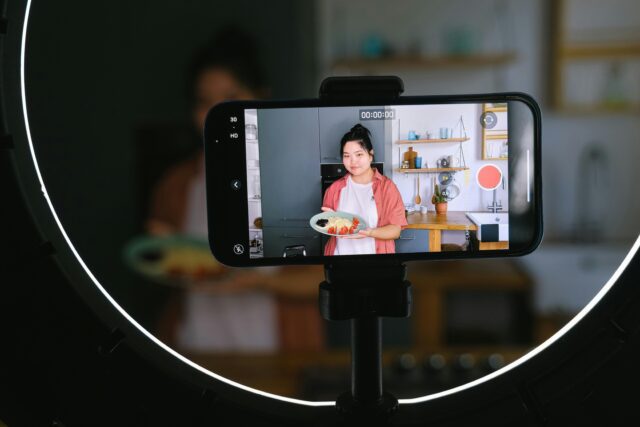
Influencers can still work with brands, but paid content must avoid showing or naming specific HFSS products. Focus on values, lifestyle, or brand culture instead.

Influencers should understand their own age demographics and share them with partners. If a large proportion of followers are under 16, HFSS-related work is particularly high risk.

Brands and agencies should include HFSS clauses; influencers should check that briefs are compliant and push back on requests that could breach the rules and their obligations.
All HFSS content should be reviewed and signed off before going live.

Use #ad and platform “Paid Partnership” tools correctly. Influencers remain personally accountable for transparency in this regard.

Skip cartoons, toys or formats that strongly resonate with under-16s in any HFSS-related content, even if you are (or working for) an Small and Medium sized Enterprise.
Unpaid, editorial posts are treated differently, but once payment, gifting, or brand control is involved, content becomes advertising and the HFSS rules apply.

Influencers should actively learn the basics of HFSS law and ASA rules so they can spot non-compliant briefs and protect their reputation.

Save briefs, approvals, audience stats, and final assets. If a complaint arises, this evidence can protect influencers as well as brands.
There are, however, important exemptions to the rules, most notably for Small and Medium-sized Enterprises (“SMEs”). Companies with fewer than 250 employees (so 249 employees) on the first day of the financial year (April 6th) are outside the scope of the online HFSS advertising ban, meaning they can continue to run paid digital ads for HFSS products, including influencer partnerships, provided they still comply with existing ASA and CAP Code requirements such as not targeting children and clearly labelling advertising.
However, note that the employee count includes all employees, everywhere. If you operate internationally, all employees in every country count toward your total. Employees of parent companies or subsidiary companies who work for your business also count toward the 250-employee threshold.
This exemption applies to the size of the advertiser, not the agency or the influencer, and larger brands cannot rely on a smaller partner’s status to bypass the restrictions. While the exemption is intended to protect SMEs from disproportionate impact, it does not remove the need for responsible targeting, transparency, or adherence to wider advertising standards.
The junk food advertising ban will have a significant impact on the large brands and their influencer marketing strategies. However, influencers can absolutely still generate income by partnering with brands offering non-HFSS products or SMEs.
It is yet to be seen how the influencer marketing space will adapt, but it is likely that large brands will have to pivot to creating experience-led and lifestyle content focusing on ambiance, story, and culture rather than specific HFSS products.
It is certainly not the end for influencer marketing in this sector.
At Gordons Partnership, we understand the fast-moving world of influencer marketing and the legal grey areas that can arise for influencers, brands and agencies alike. From dispute resolution, commercial contracts, endorsement rules and competition regulations, we give clear, practical advice that helps you stay compliant and focus on what you do best.
Whether you are an influencer, agency or a brand owner, now is the time to develop policies and procedures that will minimise the risk of non-compliance. The experts in our Commercial and Dispute Resolution teams can help you to find pragmatic solutions that will deliver legal compliance without stifling dynamic and innovative marketing ideas.